Understanding Phone Gimbals and Their Technology
In the realm of mobile videography, the phone gimbal has emerged as an indispensable tool for both amateur and professional filmmakers. Its ability to stabilize footage while in motion allows creators to capture smooth, cinematic shots without the need for bulky equipment. This article delves into the mechanics of phone gimbals, their key features, and the advantages they bring to various filming scenarios.
What is a Phone Gimbal?
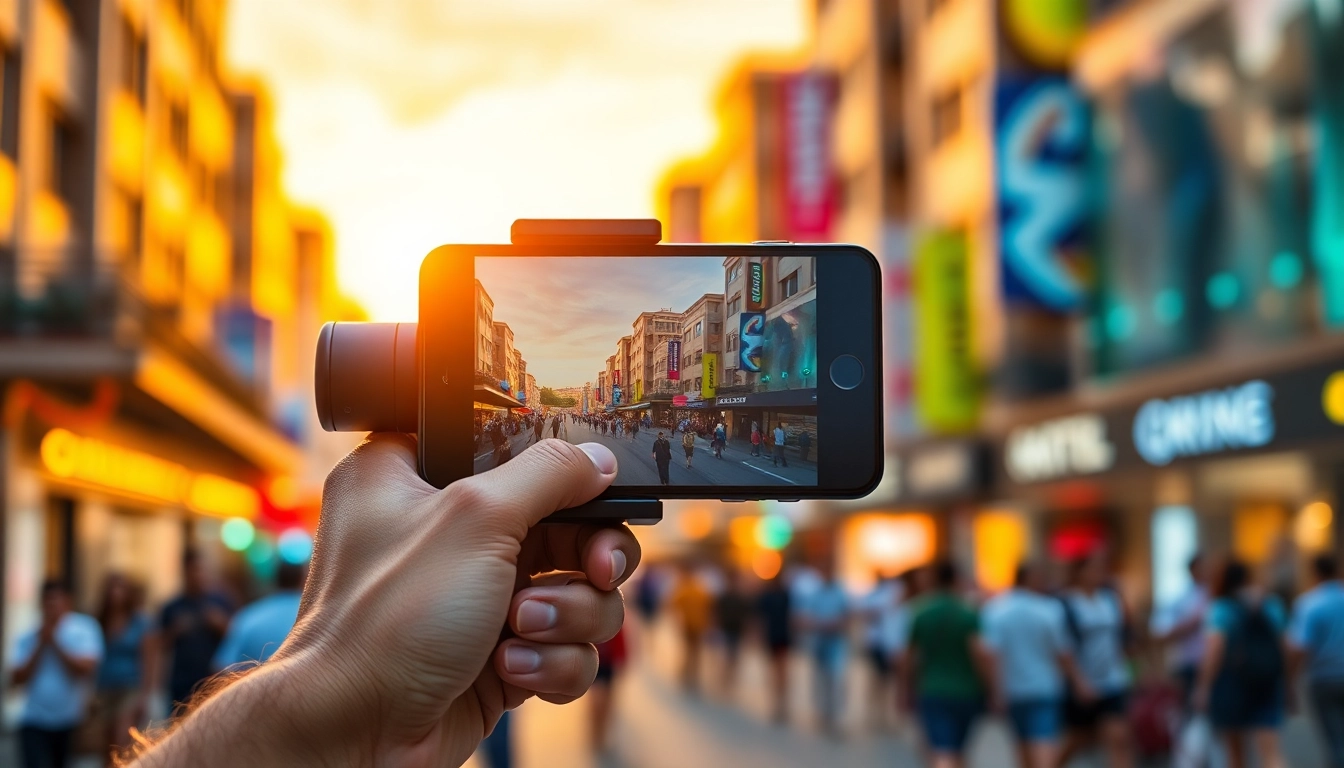
A phone gimbal is a handheld stabilizer designed to eliminate unwanted camera movements when filming with a smartphone. Using a combination of sensors and motors, gimbals can adjust to the user's movements in real-time, ensuring that the footage remains steady. This technology has revolutionized mobile filmmaking, enabling users to achieve professional-looking results without the complexity of traditional camera rigs.
How Gimbal Stabilizers Work
Gimbal stabilizers operate on the principle of balance and motion control. They typically utilize a 3-axis system that allows the device to pivot along three different axes—pitch, yaw, and roll. Each axis is equipped with motors and sensors that detect any movement and automatically adjust the position of the smartphone to counteract those movements.
When you walk, jog, or even run, the gimbal monitors your movements and stabilizes the camera accordingly, creating smooth video footage. This technology functions similarly to how drones stabilize their cameras in flight—ensuring that the viewer experiences minimal shake or jitter in the final product.
Key Features to Look For
- Build Quality: A durable gimbal is essential for outdoor shooting conditions.
- Battery Life: Extended battery life enables longer shooting sessions without interruptions.
- Weight Capacity: Ensure the gimbal can handle the weight of your smartphone model.
- Smart Features: Look for options with intelligent tracking and gesture controls for enhanced usability.
The Benefits of Using a Phone Gimbal
Enhanced Video Quality and Stability
One of the primary benefits of using a phone gimbal is the significant improvement in video quality. With its superior stabilization technology, a gimbal allows filmmakers to achieve smooth pans, tilts, and tracking shots that would be impossible to replicate with handheld filming. This level of stability enhances the overall viewing experience, making content more engaging and professional.
Versatility for Various Filming Scenarios
Whether you're filming a dynamic dance performance, a picturesque landscape, or a family event, a phone gimbal adapts to various filming scenarios. Many models come with different shooting modes, such as Follow Mode and Lock Mode, which provide flexibility in how you capture your footage. This versatility is further enhanced by the ability to switch between portrait and landscape orientations effortlessly.
Improved User Experience and Creativity
Using a gimbal not only improves the technical aspects of video production but also enhances the creative process. Filmmakers can experiment with different angles and motion styles without the fear of shaky footage ruining their shots. This newfound freedom encourages creativity and allows for more complex storytelling through visual media.
Choosing the Right Phone Gimbal for Your Needs
Comparative Overview of Popular Models
When selecting a phone gimbal, it's essential to compare various models to find one that suits your specific needs. Popular options include:
- DJI OM 5: Renowned for its lightweight design and advanced tracking capabilities.
- Hohem iSteady X: A budget-friendly option with excellent stabilization features.
- Insta360 Flow: Known for its AI tracking technology, making it ideal for vlogging and action shots.
Considerations for Different Filming Styles
Your choice of gimbal should reflect your intended filming style. For vloggers, a gimbal with quick setup and user-friendly features might be ideal. Cinematic filmmakers may require a more advanced model with customizable settings for various shooting scenarios. Additionally, those planning to shoot in diverse environments should prioritize weather-resistant models to ensure reliability in different conditions.
Budget vs. Professional Options
The market offers a range of gimbals from budget to professional-grade options. While more affordable models may provide sufficient stabilization for casual users, professionals may invest in high-end gimbals that offer robust features and greater payload capacities. It’s essential to assess your filming requirements and budget before making a decision.
Best Practices for Using Phone Gimbals
Setup and Calibration for Optimal Performance
Proper setup and calibration are crucial for maximizing the performance of your phone gimbal. Always ensure that your smartphone is balanced within the gimbal’s mounting plate, as this affects stabilization. Most gimbals come with instructional guidelines or apps that help calibrate the device for optimal performance.
Techniques for Cinematic Movement
To achieve cinematic movement, filmmakers should master a few techniques with their gimbals. These include:
- Walking Shots: Maintain a smooth pace and minimize abrupt movements when walking.
- Orbiting: Create dynamic shots by orbiting around a subject while keeping it in focus.
- Sliding Shots: Use a gimbal to smoothly transition from one scene to another without jarring cuts.
Common Mistakes to Avoid
Even experienced users can make mistakes with gimbals. Common pitfalls include:
- Not balancing the phone correctly, leading to suboptimal stabilization.
- Using the gimbal in high-wind environments without proper protection.
- Rushing the setup process, which can lead to inconsistent performance during filming.
The Future of Phone Gimbals: Trends and Innovations
AI Integration in Gimbal Technology
Looking ahead, the incorporation of artificial intelligence into gimbal technology is set to transform mobile filmmaking. Features such as automatic subject tracking and gesture-based controls will make gimbals easier and more intuitive to use. As AI technology continues to evolve, we can expect even smarter gimbals that enhance the creative process for filmmakers.
Emerging Features for 2026 and Beyond
Future gimbal models are likely to feature advanced capabilities such as integrated video editing tools, real-time stabilization enhancements, and improved battery performance. With the rise of live streaming and social media content creation, manufacturers will continue to innovate to meet the needs of creators.
The Impact of Mobile Filmmaking on the Industry
The increasing popularity of mobile filmmaking has made gimbals more accessible to a broader audience. As creators continue to push the boundaries of storytelling through smartphones, the demand for high-quality stabilization solutions will rise. This shift not only democratizes filmmaking but also encourages a new generation of talented videographers to tell their stories through innovative and engaging content.