Understanding the Injection Molding Machine
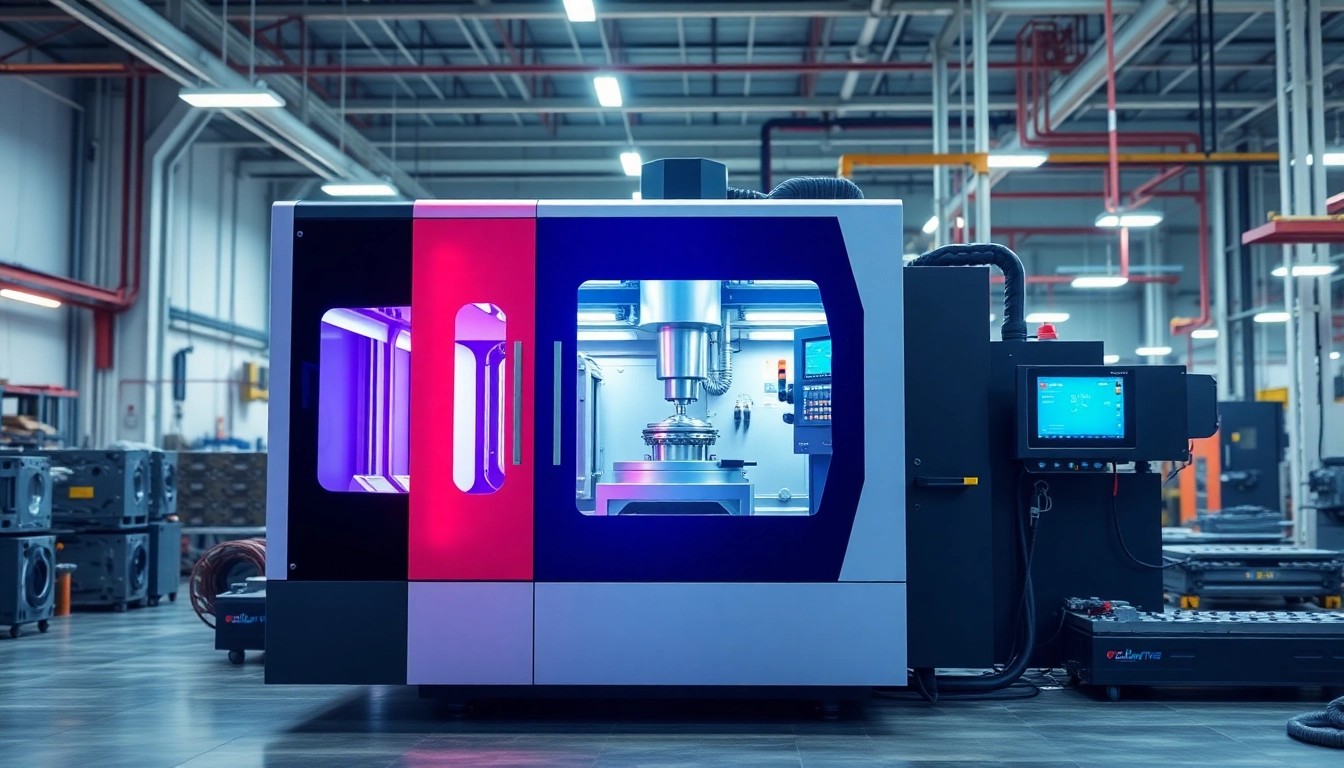
The injection molding machine is a cornerstone of the modern manufacturing landscape. With its ability to produce intricate shapes and components in large quantities, it has become an essential tool across various industries, from automotive to consumer goods. The technology behind these machines has evolved significantly, leading to enhanced efficiency, cost-effectiveness, and sustainability. When exploring options, Injection Molding Machine solutions provide comprehensive insights that can help in selecting the right equipment for your production needs.
What is an Injection Molding Machine?
An injection molding machine operates by melting plastic pellets and injecting them into a mold to create various products. The process involves several key stages: plasticization, injection, cooling, and ejection. The machines are powered primarily by electrical or hydraulic systems, with modern advancements leading to the introduction of all-electric and hybrid models that offer improved energy efficiency and precision.
Key Components of Injection Molding Machines
- Injection Unit: This component is responsible for melting and injecting the plastic into the mold.
- Clamping Unit: It holds the two halves of the mold together under pressure during the injection process.
- Mold: The cavity where the molten plastic takes shape.
- Control System: This system manages the operation of the machine, ensuring precise control over the injection and cooling processes.
Types of Injection Molding Machines Available
Injection molding machines can be categorized based on their operation mechanism:
- Hydraulic Machines: Known for their robustness and power, these machines use hydraulic pressure to close the mold and inject plastic.
- Electric Machines: These machines utilize electric motors for precision control, offering higher efficiency and reduced energy consumption.
- Hybrid Machines: Combining the strengths of hydraulic and electric technologies, hybrid machines provide enhanced flexibility and performance.
Advantages of Modern Injection Molding Technology
Modern injection molding technologies have transformed manufacturing operations, delivering significant benefits that enhance productivity and product quality.
Energy Efficiency in Injection Molding Machines
Energy efficiency is a core advantage of contemporary injection molding machines, particularly electric and hybrid models. These machines are designed to optimize power consumption during operation, often yielding energy savings of up to 75% compared to traditional hydraulic machines. This not only lowers operational costs but also aligns with growing sustainability goals.
Precision and Consistency in Production
The precision of injection molding allows manufacturers to produce complex shapes with high dimensional accuracy. Electric machines, such as the Topstar TEII Series, come equipped with advanced control systems that ensure consistent output quality, minimizing defects and waste.
Cost Savings through Advanced Features
By employing smart technologies and automation, modern machines reduce labor costs and increase throughput. Features such as real-time monitoring, predictive maintenance, and automated adjustments contribute to smoother operations and lower production costs over time.
Choosing the Right Injection Molding Machine for Your Needs
When selecting an injection molding machine, a variety of factors must be considered to ensure alignment with your production goals and materials.
Assessing Production Volume Requirements
Your production volume is a critical determinant when choosing an injection molding machine. High-volume manufacturers may favor larger machines with higher tonnage, such as the Topstar TH Series, which can handle complex and large-format products efficiently.
Understanding Material Compatibility
Different materials require specific machine capabilities. For instance, machines designed for thermoplastics may differ significantly in their specifications compared to those designed for thermosetting plastics or composites. Identifying the materials you intend to work with will narrow down your options effectively.
Evaluating Machine Specifications and Capabilities
It is essential to evaluate technical specifications such as injection speed, clamping force, and mold size. Machines like the Topstar TMII Series offer advanced features that integrate multiple processes and enhance productivity through automation, making them suitable for industries requiring precision and speed.
Common Challenges in Injection Molding Operations
While injection molding offers many advantages, several challenges can complicate operations.
Addressing Quality Control Issues
Maintaining quality across production runs is a common challenge. Factors such as temperature control, mold wear, and material inconsistencies can lead to defects. Implementing stringent quality control measures and utilizing machines with advanced monitoring systems can mitigate these issues.
Managing Production Downtime
Unplanned downtime can significantly affect productivity. Regular maintenance schedules and incorporating predictive analytics into machine operation can help identify potential failures before they occur, thus minimizing disruptions.
Navigating Equipment Maintenance Needs
Proper maintenance is crucial to extending the life of injection molding machines. Understanding the maintenance requirements of your specific machine type will help prevent costly repairs and ensure consistent performance.
Future Trends in Injection Molding Technology
The landscape of injection molding is rapidly evolving, driven by technological advances and shifting market demands.
Automation and Smart Manufacturing in 2025
As manufacturers increasingly adopt Industry 4.0 principles, automation in injection molding is expected to grow. Smart machines equipped with IoT capabilities will allow for real-time data collection and analytics, leading to better-informed decision-making and optimized production processes.
Sustainability Practices in Injection Molding
The demand for sustainable practices in manufacturing is gaining momentum. Injection molding will likely see a rise in the use of biodegradable materials and energy-efficient processes, reducing environmental impact significantly.
Emerging Materials for Injection Molding Applications
Advancements in material science will continue to present new opportunities in injection molding. Innovations such as bio-based plastics and high-performance composites are set to redefine applications and capabilities in various sectors, enhancing product functionality and sustainability.