
Understanding Sports Broadcasting
What is Sports Broadcasting?
Sports broadcasting is the dissemination of live or recorded sporting events via various media channels, including television, radio, and the internet. This dynamic industry allows fans to engage with their favorite sports from the comfort of their homes, providing commentary, analysis, and live updates. The Sports Broadcasting landscape has evolved significantly, driven by technological advancements and changing consumer preferences. Broadcasters play a crucial role in shaping how sports are consumed, impacting both viewer engagement and the broader sporting culture.
Historical Development of Sports Broadcasting
The origins of sports broadcasting date back to the early 20th century, beginning with the first radio broadcasts of sports events in the 1920s. By the time television emerged in the 1950s, broadcasting had shifted to visual formats, capturing the excitement of live sports. Iconic moments like the 1960 Rome Olympics showcased the potential of televised sports, leading to the establishment of dedicated sports networks. Over the decades, advancements in technology have introduced color broadcasts, instant replay, and now high-definition and streaming services, enhancing viewers’ experiences.
Impact on the Audience and Sports
Sports broadcasting has transformed not only how audiences consume sports but also the sports themselves. The ability to reach millions instantaneously has turned local events into global spectacles. This widespread accessibility has influenced athlete visibility, sponsorship deals, and fan engagement. Teams leverage television ratings to secure funding and refine strategies, while audiences enjoy an enriched viewing experience that fosters community and rivalry, ultimately shaping the culture of sports.
Key Techniques in Sports Broadcasting
Essential Equipment and Technology for Sports Broadcasting
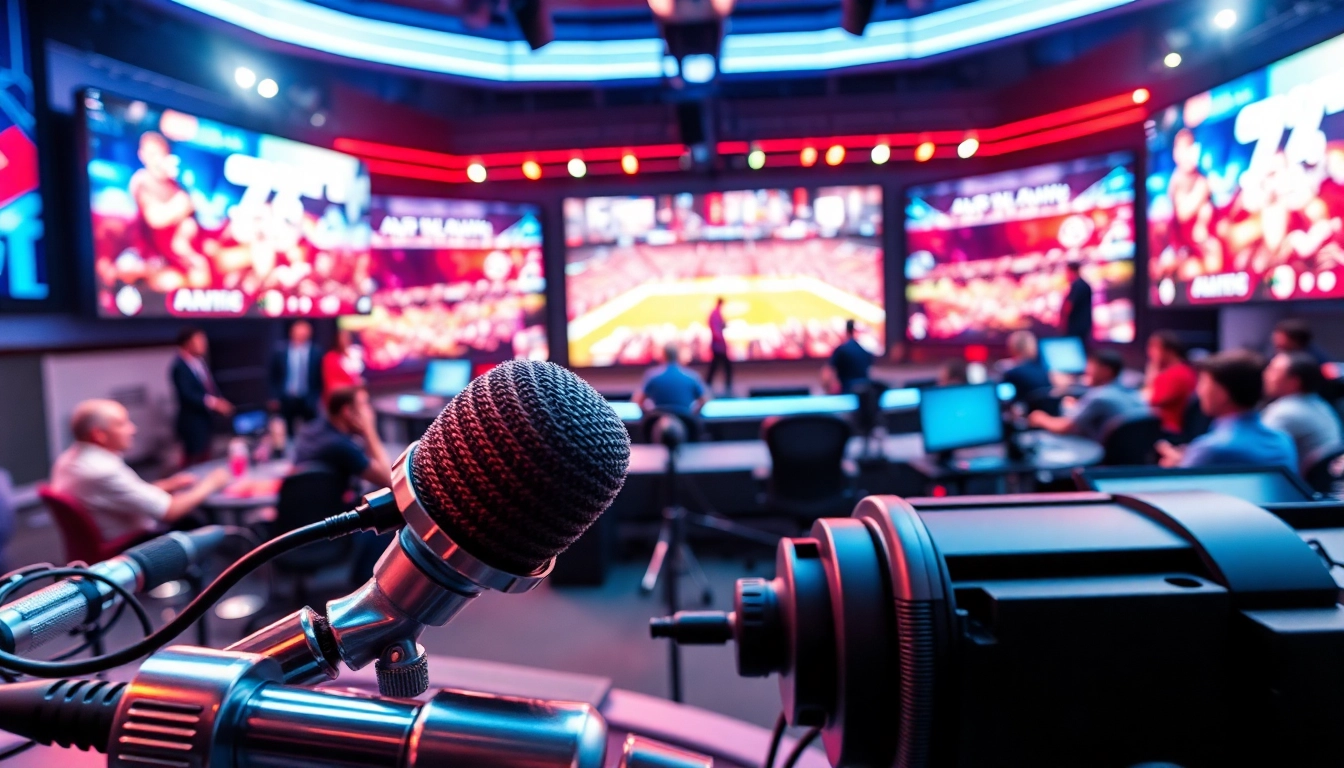
Effective sports broadcasting relies heavily on various types of equipment and technology. High-resolution cameras, professional-grade microphones, and a robust broadcasting platform are essential. Camera placement is crucial to provide multiple angles; drones are now increasingly used to capture aerial views of events. Additionally, graphics and data integration technology are vital for enhancing storytelling during broadcasts. A seamless production setup allows for a smoother transmission and viewing experience, crucial for engaging the audience.
Developing Effective Commentary and Analysis
The art of commentary in sports broadcasting combines expertise, intuition, and communication skills. Commentators must not only convey the game’s actions but also interpret its implications for the audience. Analytical segments can enhance viewer understanding, making complex strategies accessible. Mastering tone, pacing, and audience engagement techniques is critical. Broadcasters often collaborate with analysts to provide deeper insights, creating a well-rounded viewing experience that appeals to both casual fans and hardcore enthusiasts.
Engaging Visual Presentation and Graphics
The visual presentation in sports broadcasting encompasses everything from camera angles to graphic overlays. Creating an engaging viewer experience requires attention to detail. High-quality visuals coupled with informative graphics can greatly enhance storytelling in broadcasts. Statistics, player bios, and real-time updates serve to keep the audience informed and engaged. The integration of augmented reality and interactive graphics is also emerging, promising to transform how viewers interact with sports broadcasts in the future.
Challenges in the Sports Broadcasting Industry
Dealing with Live Event Uncertainties
Live broadcasting presents unique challenges, such as weather interruptions, equipment failure, and unexpected events. Broadcasters must be prepared for any eventuality, employing backup systems and contingency plans to ensure the broadcast continues uninterrupted. Creative solutions, like switching to a remote studio or utilizing high-quality pre-recorded segments, can help maintain the flow of a live broadcast despite unforeseen challenges.
Navigating Rights and Licensing Issues
Legal constraints significantly impact sports broadcasting. Broadcasters must negotiate rights agreements with leagues and events, which can be complicated and often costly. Staying compliant with licensing laws is paramount to avoid legal pitfalls. Understanding the nuances of these agreements can also provide strategic advantages in terms of content rights and exclusivity, fostering stronger relationships with sporting organizations.
Maintaining Audience Engagement
With countless channels and platforms available, keeping viewers engaged can be challenging. Broadcasters must continuously develop innovative content and interactive experiences, such as fan polls, live tweets, and behind-the-scenes footage. Utilizing data analytics to understand viewer preferences allows sports broadcasters to customize experiences, cater to diverse audiences, and foster loyalty. The challenge lies in not only attracting viewers but also retaining their attention across different platforms.
Best Practices for Successful Sports Broadcasting
Creating an Effective Broadcast Plan
A well-structured broadcast plan is fundamental to successful sports broadcasting. This involves meticulous planning, rehearsal, and collaboration among production teams. Preparing a clear run sheet that outlines segments, timings, and roles helps to streamline the process. Engaging with stakeholders, including sponsors and fans, ensures the content resonates with the audience while aligning with broader goals, such as brand visibility and community engagement.
Building a Strong On-Air Team
The quality of on-air talent can significantly influence a broadcast’s success. Building a diverse team with a mix of experience and backgrounds brings different perspectives and expertise. Continuous training and development programs can enhance skills while fostering a collaborative atmosphere. Encouraging open communication among team members helps cultivate trust and camaraderie, which ultimately reflects positively on-screen and enhances viewer experience.
Leveraging Social Media for Audience Interaction
Social media serves as a powerful tool for enhancing audience interaction in sports broadcasting. Broadcasters can use platforms like Twitter, Instagram, and Facebook to engage with fans during live events, sharing behind-the-scenes content or real-time updates. Encouraging audience participation through polls, comments, and live chats creates a sense of community, turning passive viewers into active participants. The integration of social media content into broadcasts can also keep the engagement flowing post-event.
Future Trends in Sports Broadcasting
Emergence of Streaming Services and Digital Platforms
The rise of streaming services is reshaping the sports broadcasting landscape. Viewers are increasingly favoring on-demand content over traditional broadcasts, prompting networks to adapt their strategies. Creating partnerships with digital platforms can expand reach and audience demographics. As more fans turn to mobile devices for sports consumption, optimizing content for streaming is essential. Live streaming across multiple platforms provides more opportunities for engagement and monetization.
Utilizing Data and Analytics in Sports Broadcasting
Data analytics is revolutionizing sports broadcasting by providing valuable insights into viewer habits and preferences. Broadcasters can analyze engagement metrics, such as viewership trends and social media interactions, to refine their content strategies. Utilizing predictive analytics enables teams to anticipate audience needs and curate experiences accordingly. This data-driven approach not only enhances content delivery but also supports broader decision-making processes, improving overall effectiveness.
Innovations in Viewer Experience and Immersive Technologies
Emerging technologies are transforming viewer experiences in sports broadcasting. Virtual reality (VR) and augmented reality (AR) are becoming increasingly integrated into broadcasts, providing immersive experiences that put viewers in the heart of the action. These technologies enhance audience engagement from home, allowing for unique perspectives and interactive elements during events. Keeping pace with these innovations helps broadcasters stay ahead in the competitive landscape, catering to the modern fan’s expectations.
FAQs
What technology is required for effective sports broadcasting?
A combination of high-quality cameras, microphones, and broadcasting software is essential for effective sports broadcasting.
How do broadcasters engage with audiences during live events?
Engagement is achieved through social media interactions, real-time updates, and involving audience feedback during broadcasts.
What are common challenges faced in sports broadcasting?
Challenges include handling live event unpredictability, compliance with licensing rights, and maintaining viewer interest.
How has sports broadcasting evolved with technology?
Advancements in streaming services and on-demand content have transformed how fans access and enjoy sports broadcasts.
What does the future hold for sports broadcasting?
The future of sports broadcasting will likely include increased personalization, augmented reality features, and enhanced digital participation.